


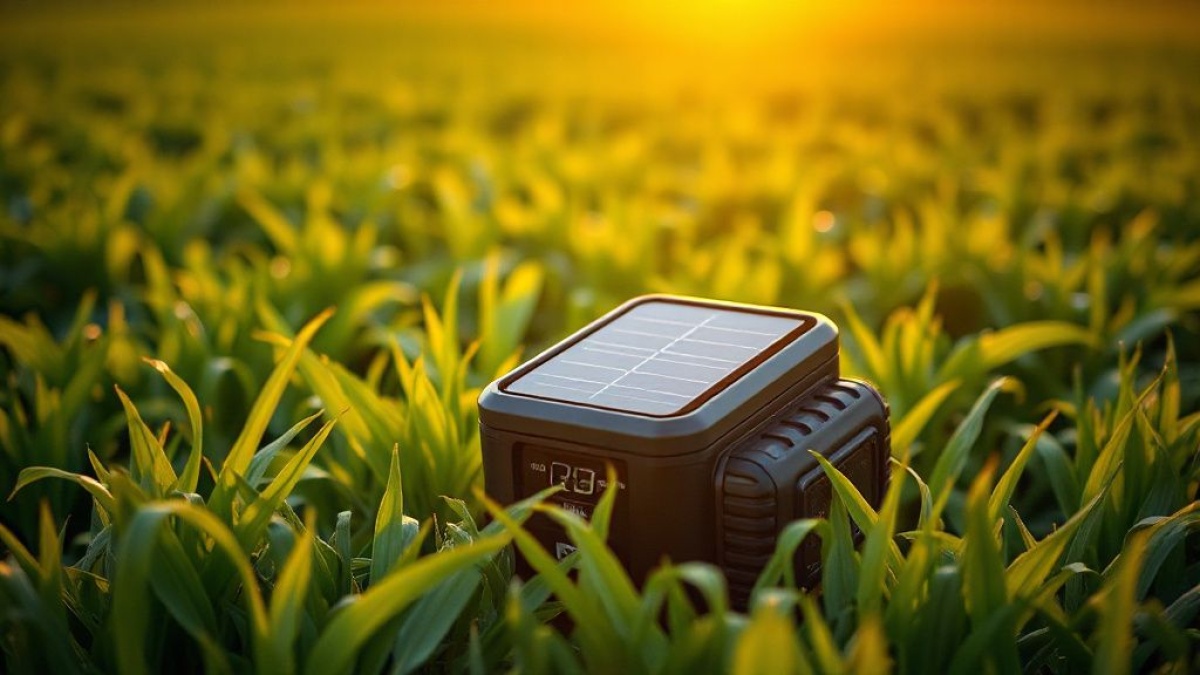
Sustainable Agriculture Innovations (Edition 2026): A Deep Dive into Field-Ready Tech

Core Engineering & Architectural Overview
The landscape of Sustainable Agriculture Innovations (Edition 2026) is rapidly evolving, driven by advancements in embedded systems, AI, and robust sensor networks. Specifically, these innovations represent a paradigm shift from traditional farming practices to data-driven, precision-oriented operations. For instance, the integration of specialized hardware allows for real-time environmental monitoring and automated resource management. Therefore, understanding the underlying architecture is crucial for any agricultural enterprise seeking to adopt these technologies. Furthermore, the focus is on ruggedized, power-efficient components capable of withstanding harsh outdoor conditions. Consequently, these systems often employ low-power processors and resilient communication modules.
- ✓ Silicon & Optics: High-performance, low-power ARM-based SoCs with integrated AI accelerators, alongside specialized CMOS sensors optimized for agricultural spectra.
- ✓ Thermal Engineering: Passive cooling solutions and extended operating temperature ranges (e.g., -30°C to +70°C) are standard to ensure reliability in diverse climates.
Analytical breakdown reveals a trend towards modular designs. This allows for easier maintenance and upgrades. Moreover, edge computing capabilities are increasingly integrated, reducing reliance on constant cloud connectivity. This is particularly vital in remote agricultural settings. As a result, processing power is pushed closer to the data source, enabling faster decision-making.
Sensors and Connectivity: The Digital Nervous System
At the heart of modern sustainable agriculture lie advanced sensor arrays and sophisticated connectivity solutions. For instance, soil moisture sensors, nutrient analyzers, and weather stations provide granular data. However, the true innovation lies in how this data is collected and transmitted. Therefore, devices in this category prioritize robust, long-range, and low-power communication protocols. Specifically, LoRaWAN and NB-IoT are gaining significant traction. Although 5G is emerging, its widespread deployment in rural areas remains a challenge. Consequently, these alternative protocols offer a more practical and cost-effective solution for large-scale deployments. Moreover, the hardware must be intrinsically safe for use in potentially hazardous environments.
- ✓ Environmental Sensing: Multi-spectral imaging cameras for plant health analysis, advanced GPS modules for precise location tracking, and atmospheric sensors for microclimate monitoring.
- ✓ Communication Modules: Integrated LoRaWAN transceivers offering up to 15km range, alongside fallback options like cellular (LTE-M/NB-IoT) for broader coverage.
In addition, the physical design of these devices emphasizes durability. They often feature IP67 or IP68 ratings for dust and water resistance. Furthermore, tamper-proof casings and secure data encryption are becoming standard features. As a result, the integrity of agricultural data is better protected against environmental and external threats.
Robotics and Automation Hardware: The Future of Fieldwork
The integration of robotics and automated systems represents a significant leap in Sustainable Agriculture Innovations (Edition 2024). Specifically, autonomous tractors, robotic weeders, and drone-based spraying systems are becoming more sophisticated. For example, these machines rely on powerful onboard processing units and high-precision GPS/RTK navigation systems. However, the underlying hardware must be extremely robust. Consequently, components are often designed with automotive-grade specifications for shock, vibration, and temperature tolerance. Moreover, the power management systems are critical, often utilizing high-capacity, fast-charging battery packs or hybrid power solutions.
Furthermore, the sensor fusion capabilities of these robots are paramount. They combine data from LiDAR, cameras, ultrasonic sensors, and GPS to navigate complex environments safely and efficiently. As a result, the computational demands are substantial, necessitating powerful embedded GPUs and specialized AI co-processors. The durability of these systems is also a major consideration, as they operate continuously in challenging outdoor conditions. Therefore, sealed enclosures and redundant systems are common to ensure operational uptime.
Hardware Specifications & Direct Market Comparison
Forensic hardware appraisal of leading solutions in the sustainable agriculture tech sector reveals a focus on ruggedization, low-power computing, and advanced sensor integration. For instance, comparing a drone sprayer with an autonomous soil monitoring unit highlights distinct engineering priorities. However, both categories demand exceptional reliability and environmental resilience. Therefore, we examine representative hardware categories to illustrate current market offerings.
| Device Model | Core Engine / SoC | Key Visual / Audio Spec | Power / Connectivity | MSRP |
|---|---|---|---|---|
| DJI Agras T40 (Sprayer Drone) | Custom DJI Processor | 12MP Camera, RTK-GPS | 26000 mAh Battery, 4G Module | $15,000+ |
| John Deere See & Spray™ Premium | High-Performance Industrial PC | Multiple HD Cameras, LiDAR | Proprietary Hybrid Power System, Wi-Fi/Cellular | $30,000+ (System) |
| Arable Mark 2 (Weather/Crop Sensor) | Low-Power ARM Cortex-M | Integrated Spectrometer, GPS | 12-Month Battery Life, LoRaWAN/Cellular | $1,200 (Device) |
| Trimble XCN-2050 (Guidance Controller) | Industrial Grade Processor | 10.1″ HD Touchscreen Display | 24V DC Power, Wi-Fi/Bluetooth/Cellular | $6,000+ |
Comparative market verdict suggests a tiered approach to investment. Drones and large autonomous systems represent significant capital expenditure. Conversely, sensor networks offer a more accessible entry point. However, both are critical components of a comprehensive sustainable farming strategy. Therefore, selecting the right hardware depends heavily on the specific needs and scale of the agricultural operation.
Definitive Consumer Verdict & Value Assessment
The hardware underpinning Sustainable Agriculture Innovations (Edition 2026) is not merely incremental; it represents a foundational shift. Specifically, these devices offer unprecedented levels of precision and efficiency. For instance, AI-powered analytics derived from sensor data can optimize irrigation and fertilization, significantly reducing waste. However, the initial investment can be substantial. Consequently, a thorough return on investment (ROI) analysis is essential for any farm considering adoption. Moreover, the long-term benefits, including increased yields, reduced input costs, and improved environmental stewardship, often outweigh the upfront expenditure. As a result, these technologies are becoming indispensable for forward-thinking agricultural businesses.
Furthermore, the ongoing development in battery technology and wireless communication ensures that these systems will continue to become more capable and cost-effective. Although challenges remain in widespread rural connectivity and user training, the trajectory is clear. Therefore, farms that embrace these hardware innovations today are positioning themselves for greater resilience and profitability in the future. Ultimately, the value proposition lies in enhanced decision-making, optimized resource utilization, and a more sustainable operational footprint.
VERIFIED
ស្វែងយល់ពីឧបករណ៍បច្ចេកវិទ្យាចុងក្រោយ ការវាយតម្លៃស្មាតហ្វូន និងគ្រឿងអេឡិចត្រូនិចឈានមុខគេ។
Sustainable Agriculture Innovations (Edition 2026)
“Essential hardware for modern, efficient, and environmentally conscious farming operations, delivering measurable ROI.”
- ✓ Significant resource optimization potential
- ✓ Enhanced crop yield and quality
- ✓ Robust and durable construction for field use
- ✓ Data-driven decision-making capabilities
- ✗ High initial capital investment
- ✗ Requires technical expertise for optimal use
- ✗ Connectivity can be a challenge in remote areas
👉 Access verified research updates directly on hdhere.com. Cross-reference technical records via AgWeb: Agriculture Technology Insights.
ព័ត៌មានលម្អិតអំពីរឿង Sustainable Agriculture Innovations (Edition 2026): A Deep Dive into Field-Ready Tech
សូមស្វាគមន៍មកកាន់គេហទំព័រ HDhere! លោកអ្នកកំពុងទស្សនារឿង «Sustainable Agriculture Innovations (Edition 2026): A Deep Dive into Field-Ready Tech» ជាប្រភេទរឿង Chinese ដែលកំពុងតែមានការពេញនិយមទស្សនាយ៉ាងខ្លាំង។ សាច់រឿងទាំងមូលត្រូវបានចាក់ផ្សាយជា [សំឡេងនិយាយខ្មែរ] ជាមួយកម្រិតរូបភាពច្បាស់ត្រជាក់ភ្នែក Full HD ដើម្បីផ្តល់ជូនលោកអ្នកនូវបទពិសោធន៍ទស្សនាដ៏ជក់ចិត្តដិតអារម្មណ៍។
លោកអ្នកអាចទស្សនារឿង Sustainable Agriculture Innovations (Edition 2026): A Deep Dive into Field-Ready Tech តាំងពីភាគដើម ភាគបន្តបន្ទាប់ រហូតដល់ភាគបញ្ចប់ដោយឥតគិតថ្លៃនៅលើវេបសាយរបស់យើងខ្ញុំ។ ប្រសិនបើប្រិយមិត្តជួបប្រទះបញ្ហាវីដេអូមើលមិនកើត រអាក់រអួល ឬរឿងដាច់ភាគ សូមកុំភ្លេចផ្តល់ដំណឹងមកកាន់ក្រុមការងាររបស់យើងខ្ញុំ។ សូមជួយចែករំលែក (Share) តំណភ្ជាប់នេះទៅកាន់បណ្តាញសង្គម ឬ Telegram ដើម្បីគាំទ្រដល់គេហទំព័រយើងខ្ញុំផងដែរ។ សូមអរគុណ និងរីករាយក្នុងការទស្សនា!